Narcolepsy is a chronic neurological disorder in which the brain cannot properly regulate sleep and wakefulness. It often begins in the teens or twenties, but it can start at any age and is frequently missed for years.
Symptoms can include:
Excessive daytime sleepiness and sudden, irresistible urges to sleep, even after a full night in bed
Cataplexy: brief muscle weakness, such as a drooping face or buckling knees, triggered by laughter or strong emotion (narcolepsy type 1)
Sleep paralysis: being briefly unable to move when falling asleep or waking up
Vivid dream-like hallucinations at sleep onset or on waking
Diagnosis requires specialized testing in our sleep lab:
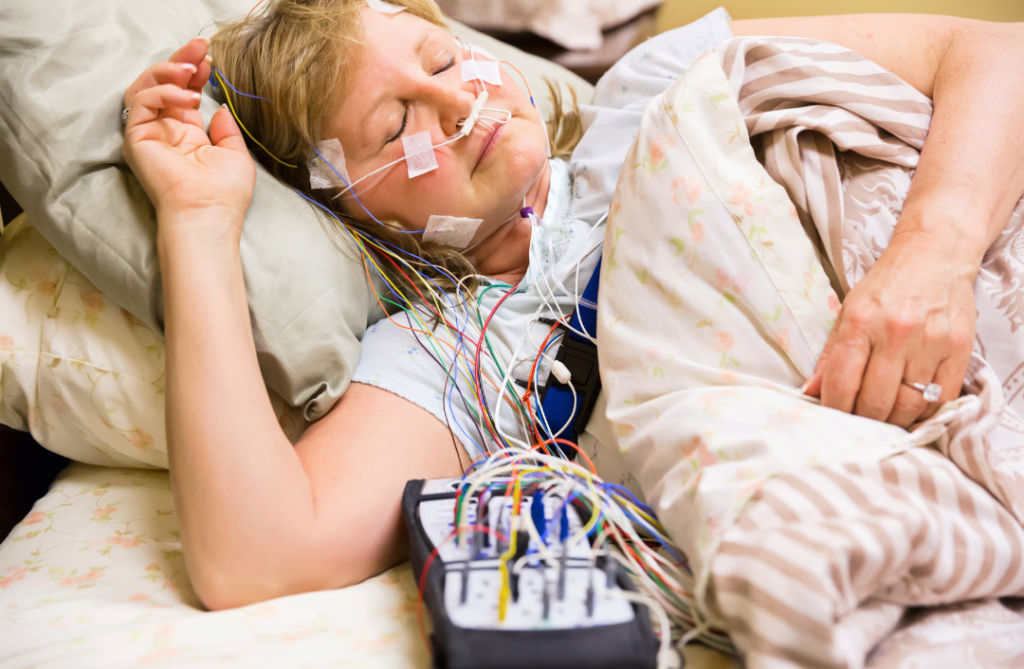
An overnight polysomnogram to measure your sleep and rule out other causes of sleepiness, such as sleep apnea
A Multiple Sleep Latency Test (MSLT) the following day, a series of scheduled naps that measures how quickly you fall asleep and whether you enter REM sleep early
A sleep diary or activity monitor beforehand to make sure you are getting enough sleep. Some medications may need to be adjusted before testing, under your physician’s direction
Treatment options
Narcolepsy is a lifelong condition, but treatment can greatly improve alertness and safety:
Wake-promoting medications and stimulants to reduce daytime sleepiness
Medications that treat cataplexy and improve nighttime sleep
Scheduled short naps and a regular sleep schedule
Guidance on driving safety, work and school accommodations